No Results Found
The page you requested could not be found. Try refining your search, or use the navigation above to locate the post.

Related Lessons
The page you requested could not be found. Try refining your search, or use the navigation above to locate the post.
Previous & Next Lessons Related Lessons
Previous & Next Lessons Related Lessons

Previous & Next Lessons Related Lessons
Previous & Next Lessons Related Lessons

Previous & Next Lessons Related Lessons

Previous & Next Lessons Related Lessons

Previous & Next Lessons Related Lessons
Previous & Next LessonsRelated Lessons

/ɒ/ That’s fantastic Sam, thanks. Hand the backgammon pack to Fran.Related Lessons

/ɔː/That’s fantastic Sam, thanks. Hand the backgammon pack to Fran.Related Lessons

/ʊ/That’s fantastic Sam, thanks. Hand the backgammon pack to Fran.Related Lessons

Previous & Next Lessons Related Lessons
Previous & Next Lessons Related Lessons
Previous & Next Lessons Related Lessons
Previous & Next Lessons Related Lessons
Previous & Next Lessons Related Lessons
Previous & Next Lessons Related Lessons
Previous & Next Lessons Related Lessons
Previous & Next LessonsRelated Lessons
/ɒ/ That’s fantastic Sam, thanks. Hand the backgammon pack to Fran.Related Lessons
/ɔː/That’s fantastic Sam, thanks. Hand the backgammon pack to Fran.Related Lessons
/ʊ/That’s fantastic Sam, thanks. Hand the backgammon pack to Fran.Related Lessons


Previous & Next Lessons Related Lessons
Previous & Next Lessons Related Lessons
Previous & Next Lessons Related Lessons
Previous & Next Lessons Related Lessons
Previous & Next Lessons Related Lessons
Previous & Next Lessons Related Lessons

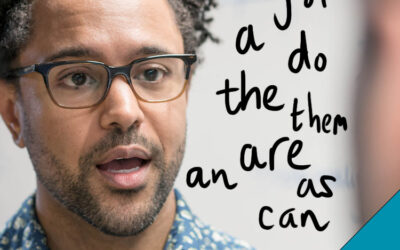
English speakers tend to use more schwa sounds when talking quickly and casually with friends or family. Even strong words such as “get” and “like” can become weak in connected speech: A: /kən ə gət ju ə ˈdrɪŋk/B: /əd lək ə ˈkɒfi θaŋks/ Previous & Next...

Previous & Next LessonsRelated Lessons
Previous & Next LessonsRelated Lessons
- Match the words with their pictures and IPA transctiption:applause laughter connect surprise- Which letter is pronounced /ə/ in each word? /əˈplɔːz/ - applause /kəˈnɛkt/ - connect /səˈprʌɪz/ - surprise /ˈlɑːftə/ - laughterThe schwa sound /ə/ is commonly...
Previous & Next LessonsRelated Lessons

Previous & Next Lessons Related Lessons
Previous & Next Lessons Related Lessons
Previous & Next Lessons Related Lessons
Previous & Next Lessons Related Lessons
Previous & Next Lessons Related Lessons
Previous & Next Lessons Related Lessons
English speakers tend to use more schwa sounds when talking quickly and casually with friends or family. Even strong words such as “get” and “like” can become weak in connected speech: A: /kən ə gət ju ə ˈdrɪŋk/B: /əd lək ə ˈkɒfi θaŋks/ Previous & Next...
Previous & Next LessonsRelated Lessons
Previous & Next LessonsRelated Lessons
- Match the words with their pictures and IPA transctiption:applause laughter connect surprise- Which letter is pronounced /ə/ in each word? /əˈplɔːz/ - applause /kəˈnɛkt/ - connect /səˈprʌɪz/ - surprise /ˈlɑːftə/ - laughterThe schwa sound /ə/ is commonly...
Previous & Next LessonsRelated Lessons
